Case Studies
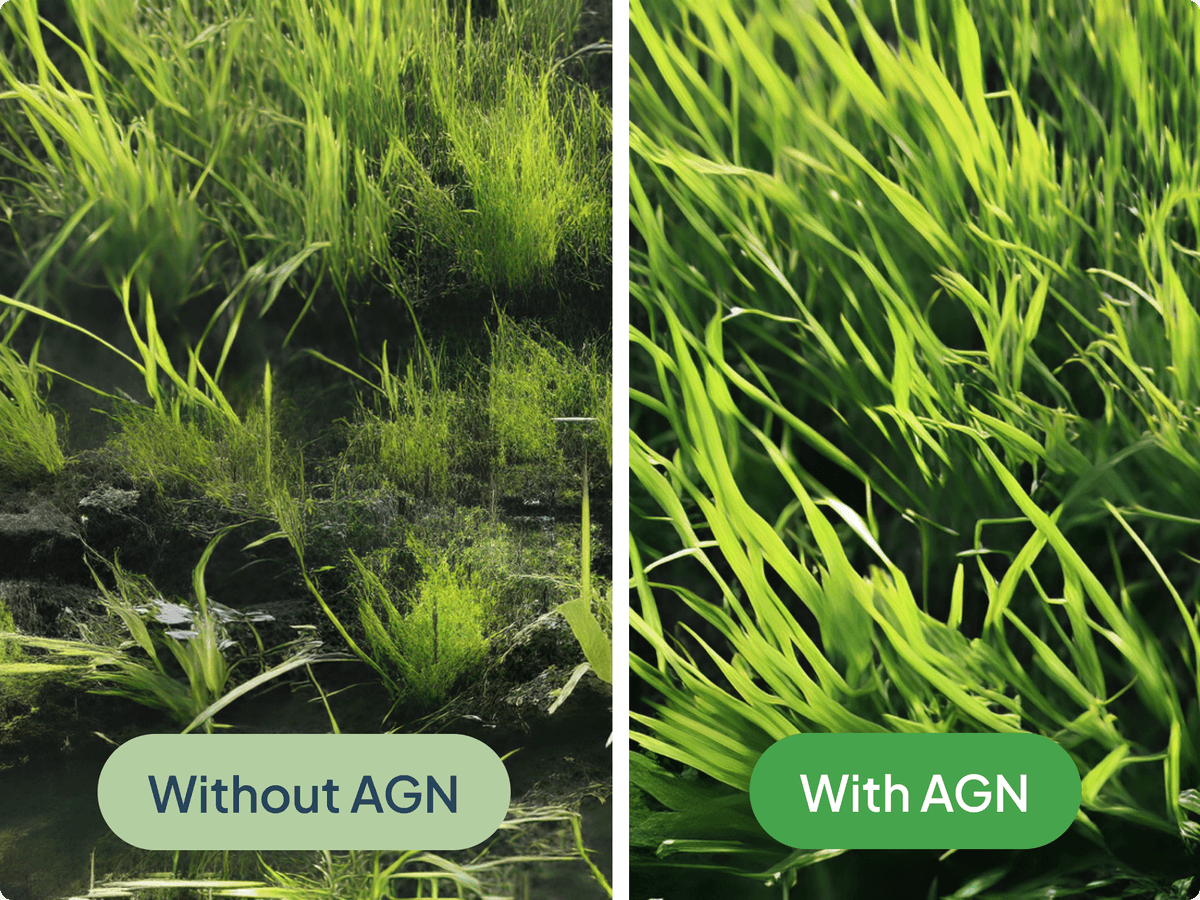
AGN acts in the rhizosphere of the plants, breaking down nutrients to improve the absorption and uptake of the plants, improving soil health and plant immunity. This improves nutrient efficiency, ultimately, resulting in higher crop yields whilst simultaneously reducing the amount of nutrients, whether organic or chemical. See case studies for more details.

Malaysia
Johor, West Malaysia
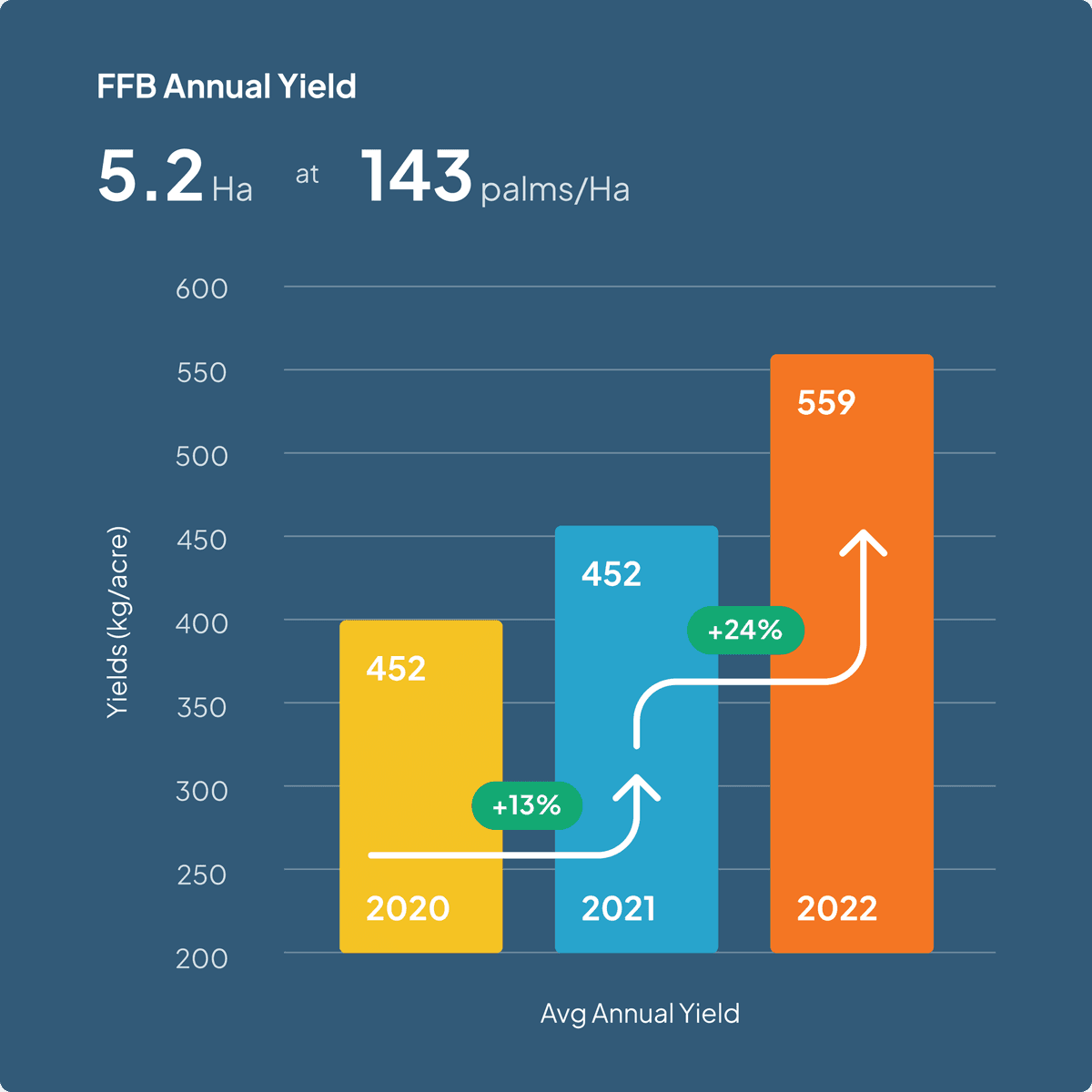
For the base year 2020, this family estate recorded an average yield of 400 kg/acre. Usual industry wide application of 3 kg of NPK per palm
Starting 2021, 75g of AGN granules were applied together with 50% reduction of NPK per palm
Three applications in 2021, with another three applications in 2022
Many incidences of pilferage occurred in 2022 which had significantly impacted yield during the year
Indonesia
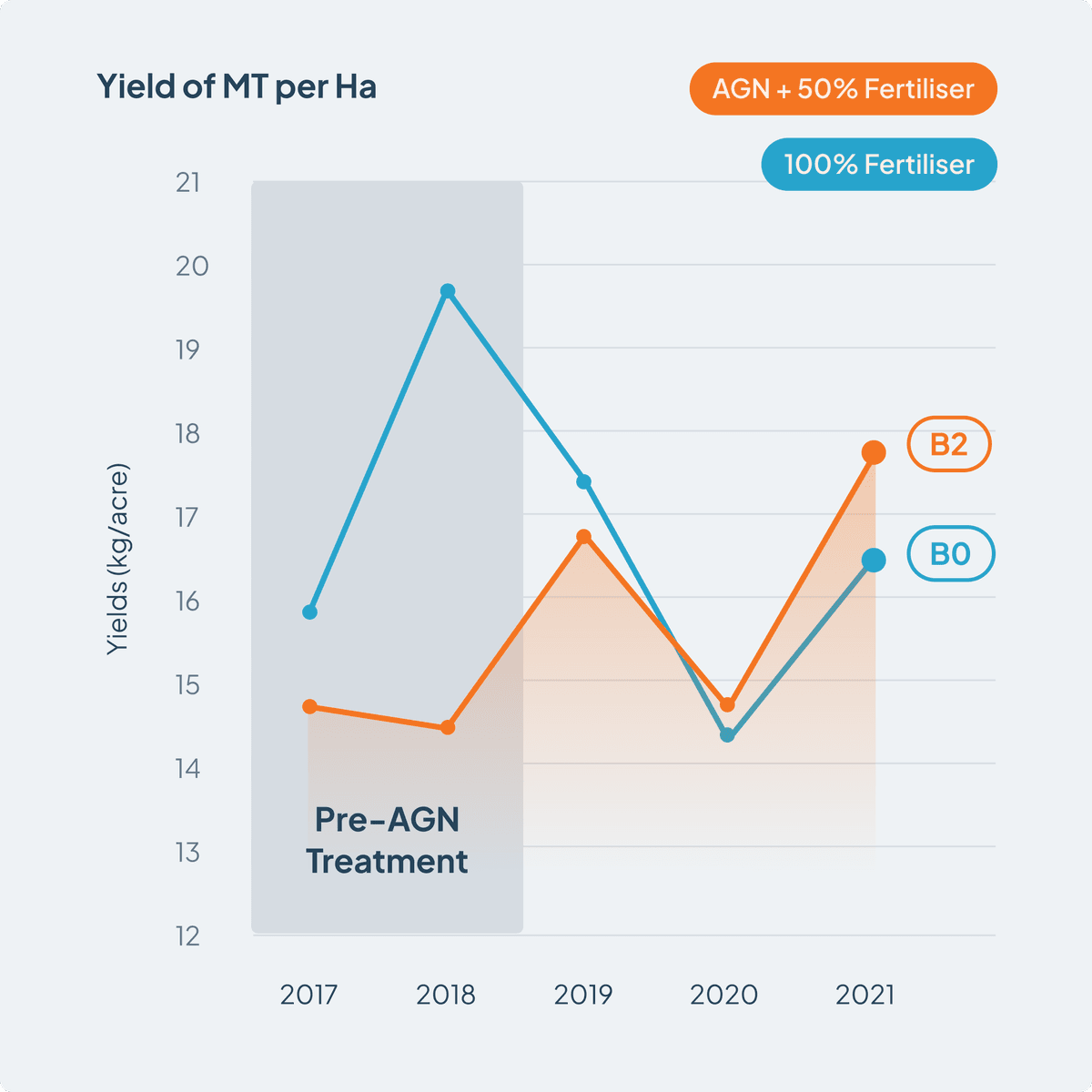
Pre-trial, Control (B0) had the best soil condition
Yields dipped in 2020 due to drought in 2019, first year of treatment. However, B2 was least affected by effects of the drought
Increase in yield evident after two years of soil rejuvenation with AGN + 50% less chemical fertilizers
Forecast of 15% yield improvement after 2022

Indonesia

Belitung, Indonesia
East Java, Indonesia

Indonesia

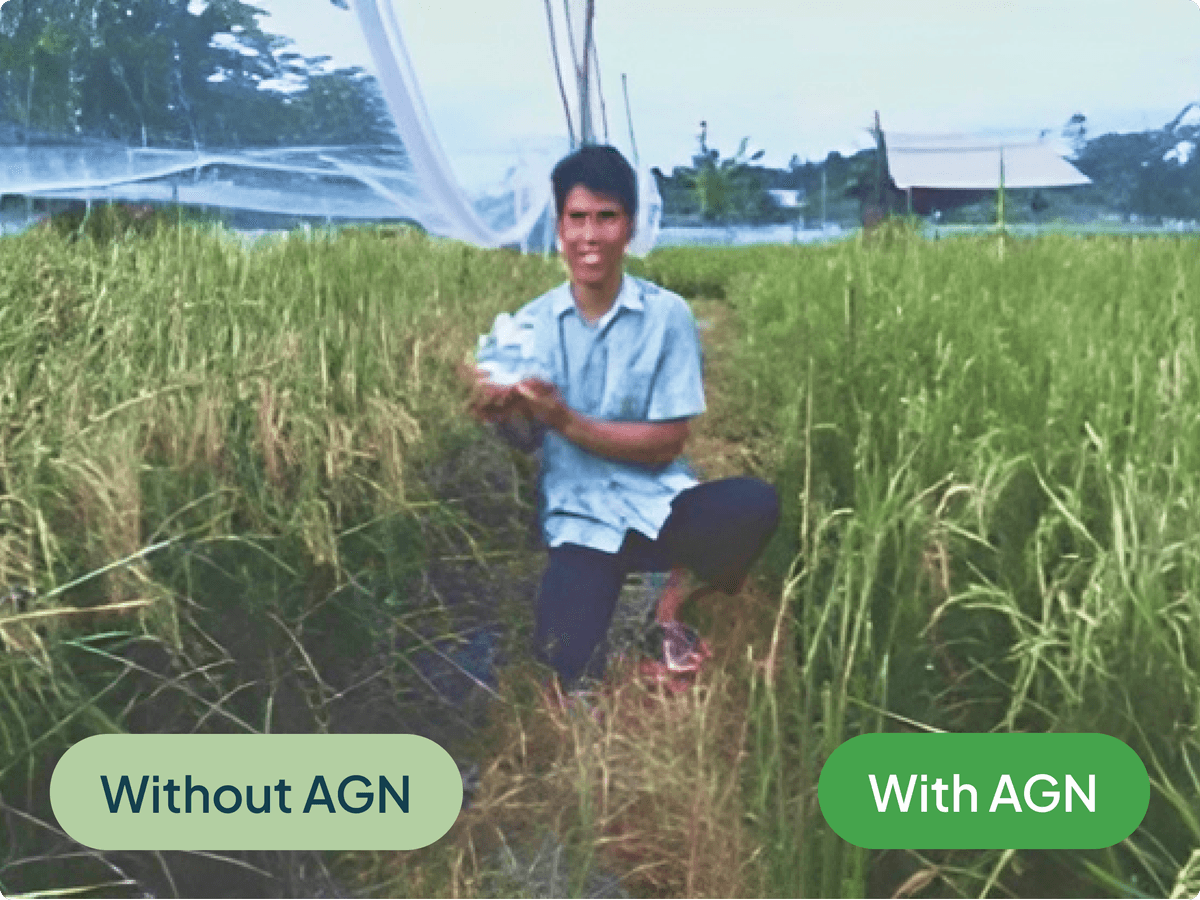
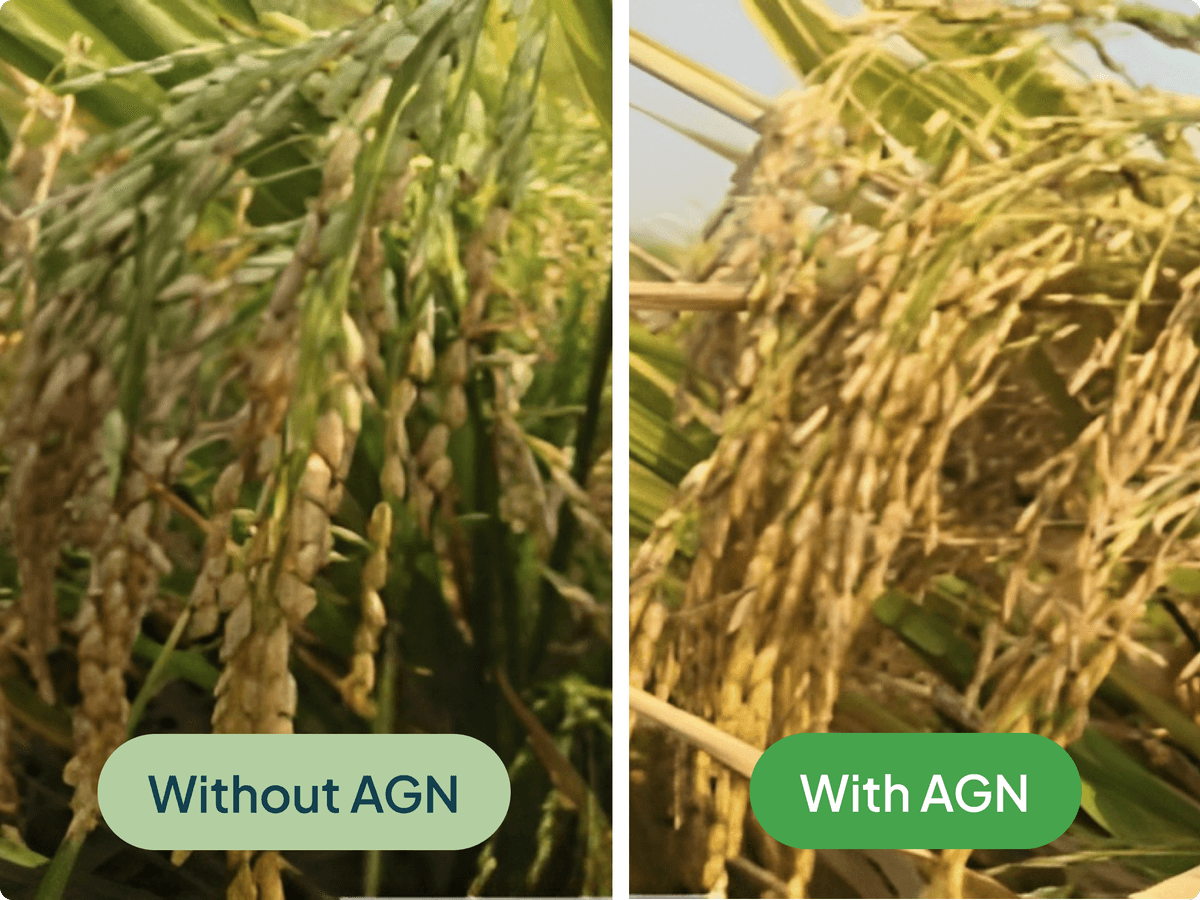
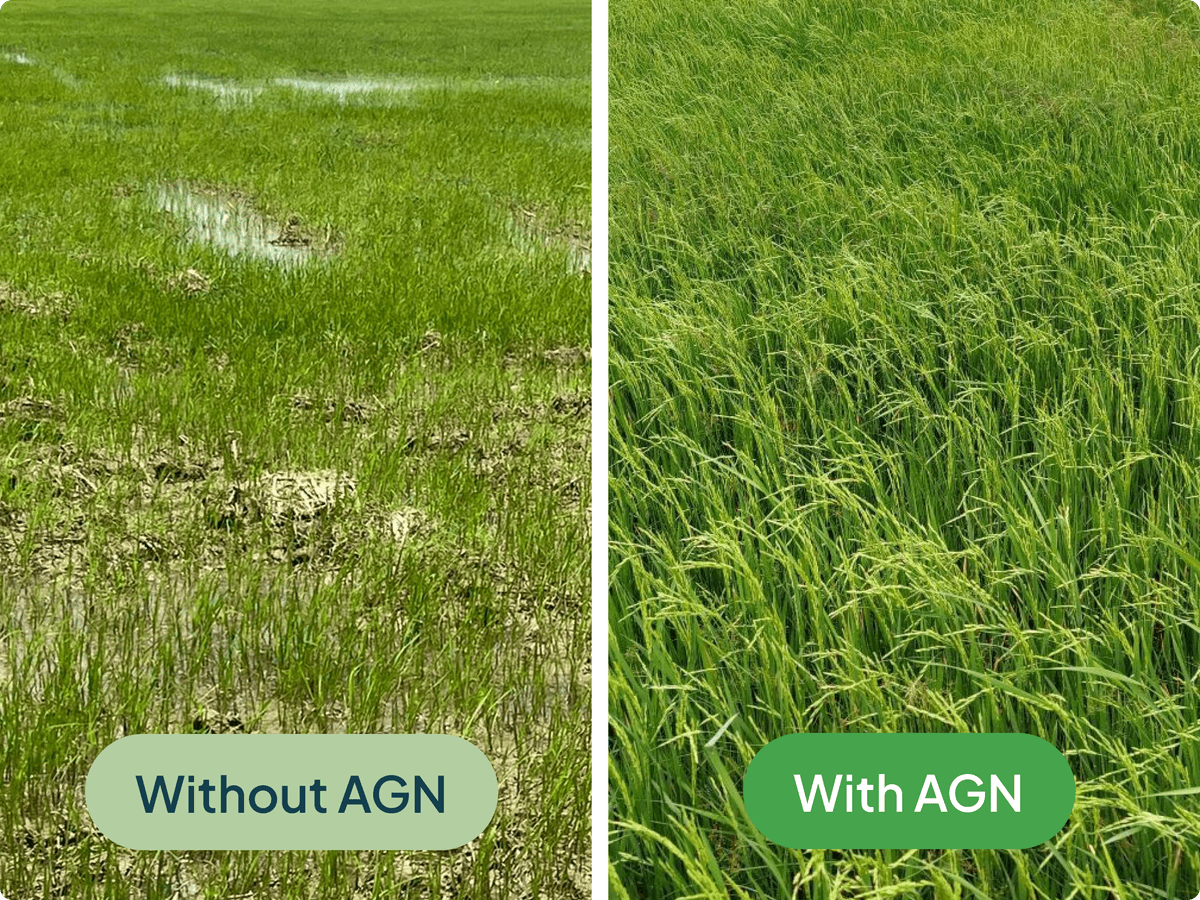
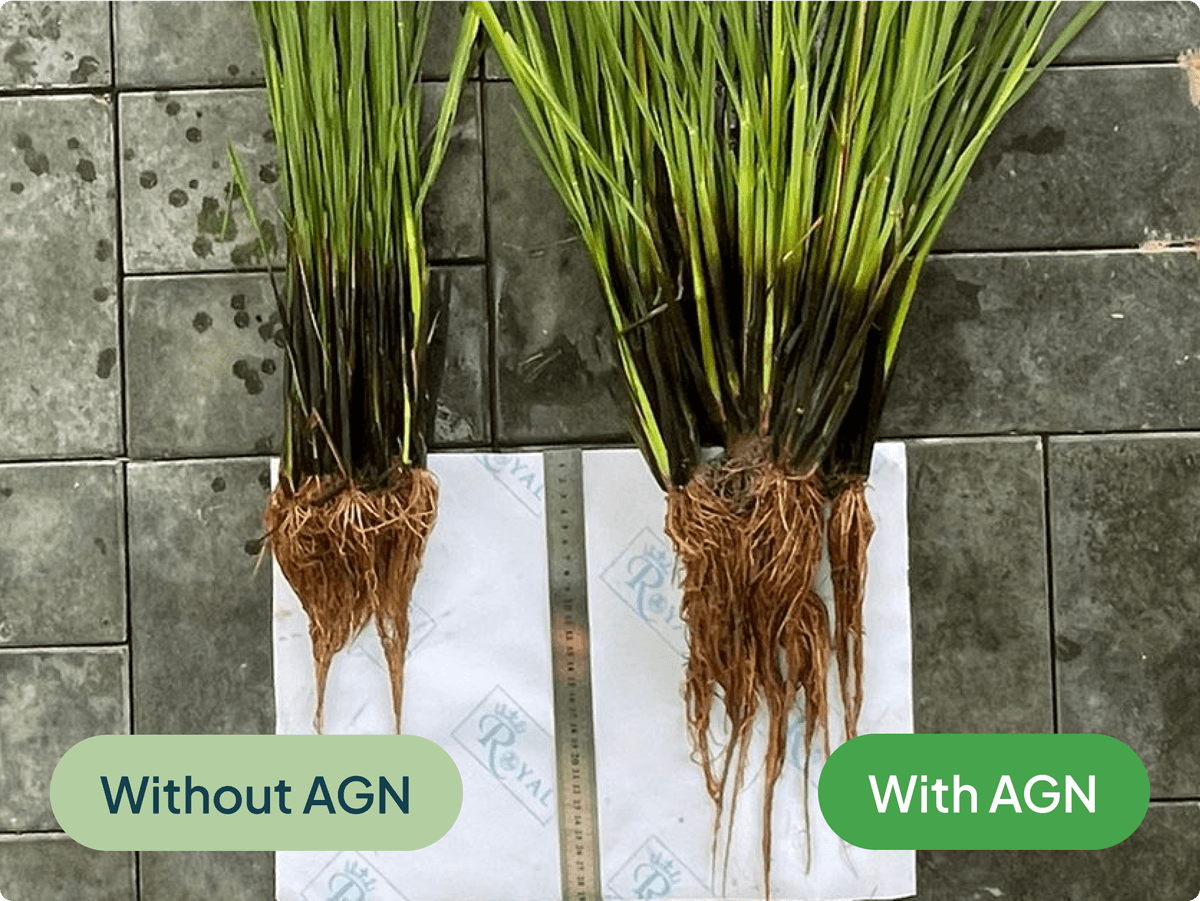
Vietnam rice farmers from Hieu Thuan Commune (Co-op) reported that AGN- treated paddy roots were stronger with multiple shoots resulting in a 30 percent increase in yield and a saving of 30% less nitrogen.
Cisbay treated paddy fields vs untreated ones in the Indonesian province of East Java where a paddy seed producer recorded 159% extra yield in Pandaan despite applying 30% less chemical fertilisers while the Krian trial recorded a "lower" additional yield of 35%. In Ubud, Bali, despite late application of AGN, the treated fields achieved 53% more yield. Similar findings of substantially extra yields, consistently better grains and early harvest were also reported in the province of Belitung.

Thailand
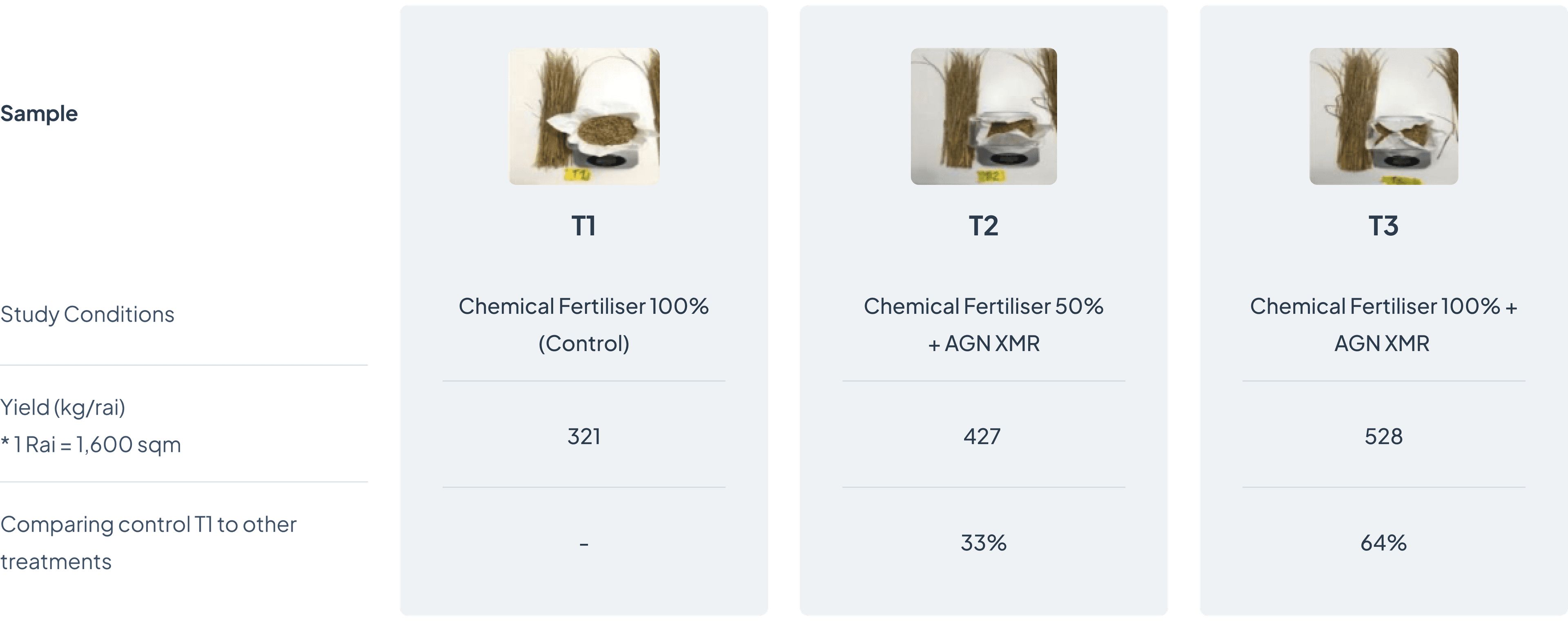
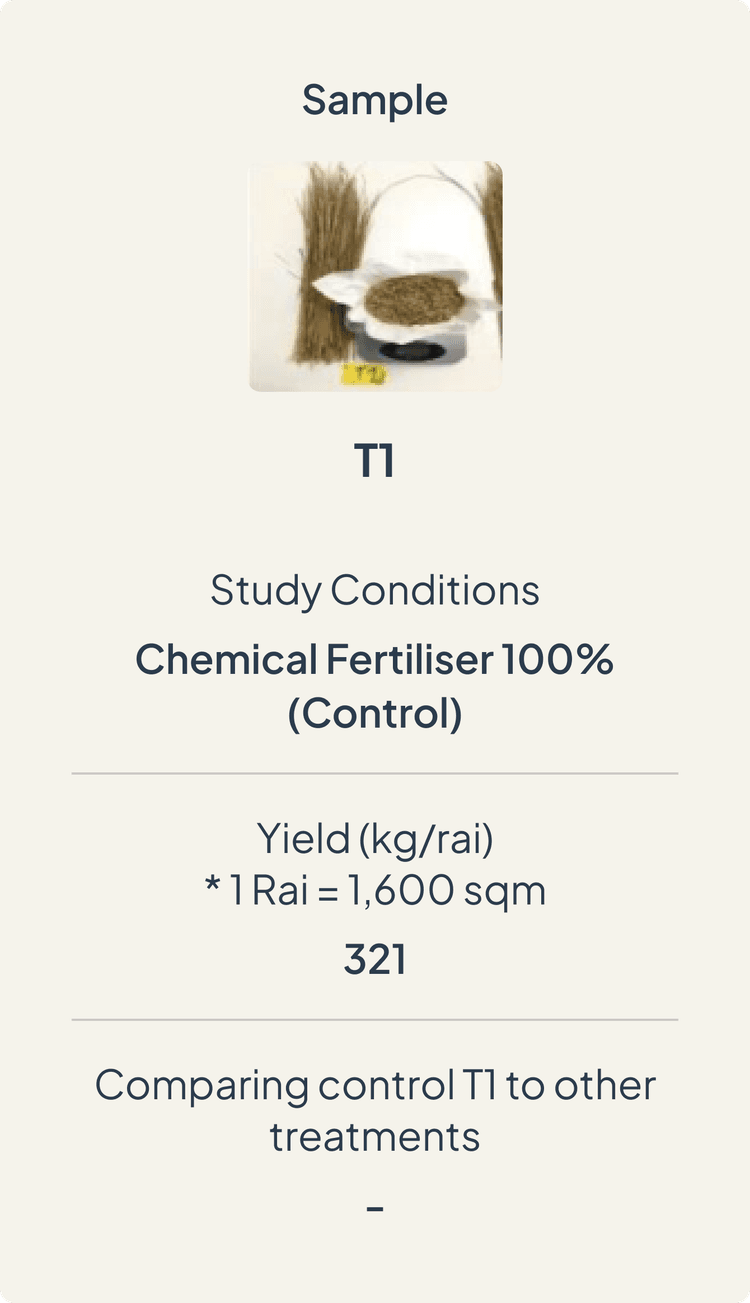
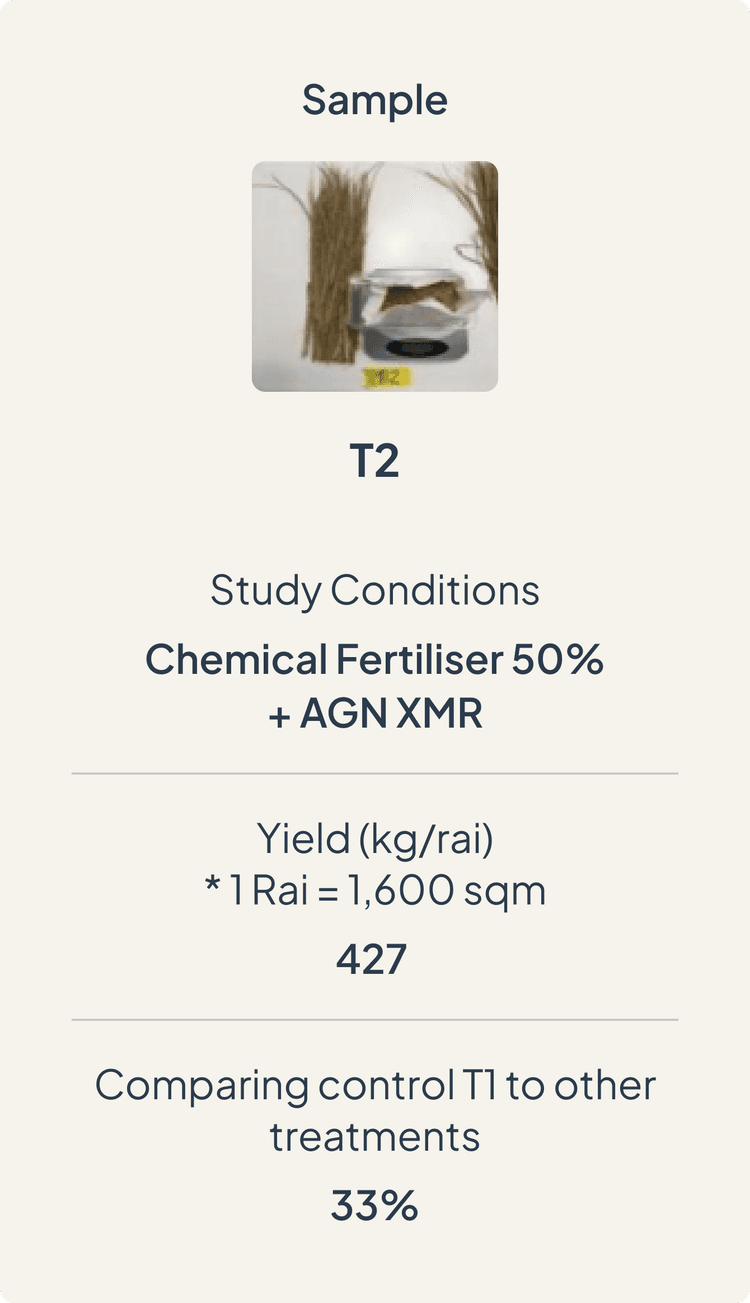
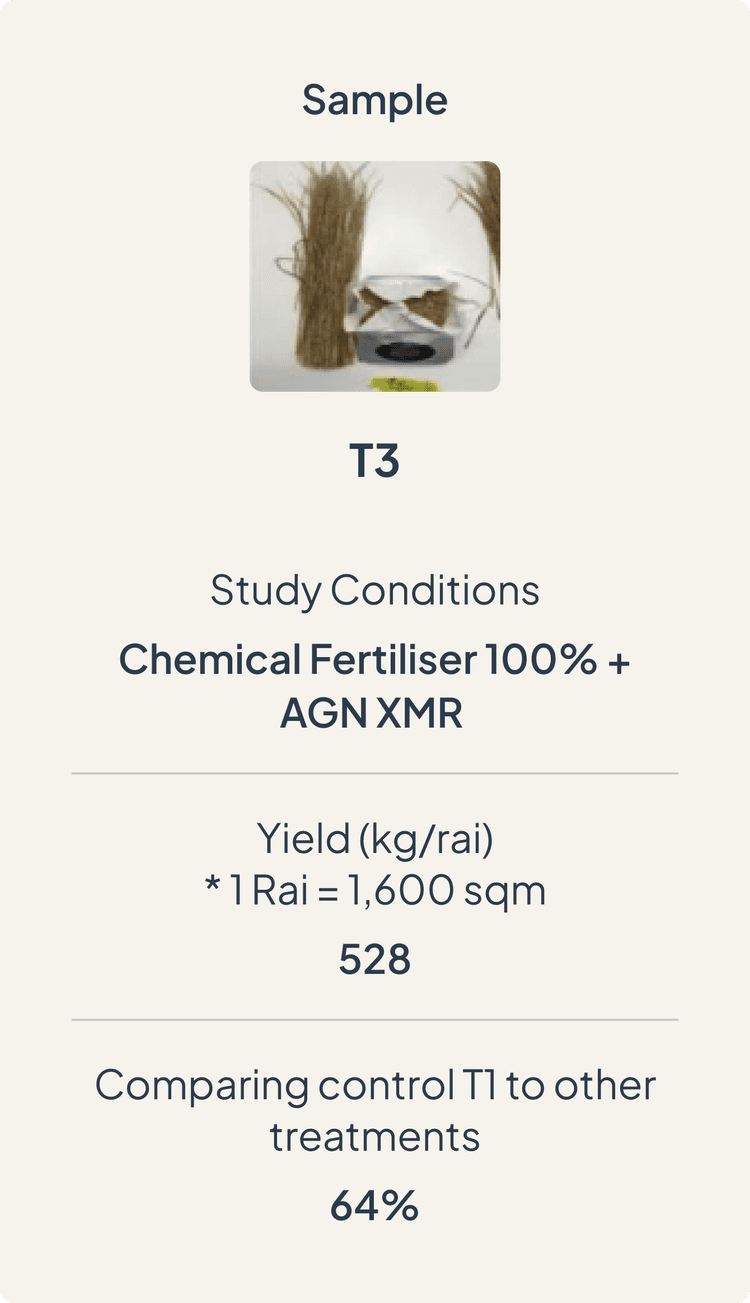
A study was conducted in Pathum Thani to determine the effects of Cisbay microbial technology on rice cultivation.
AGN improved the soil ecosystem and promoted cation exchange, thereby increasing nutrient uptake. When chemical fertilisers were reduced by 50%, the overall health of the rice plant was improved, translating to a 33% higher yield.


Cambodia

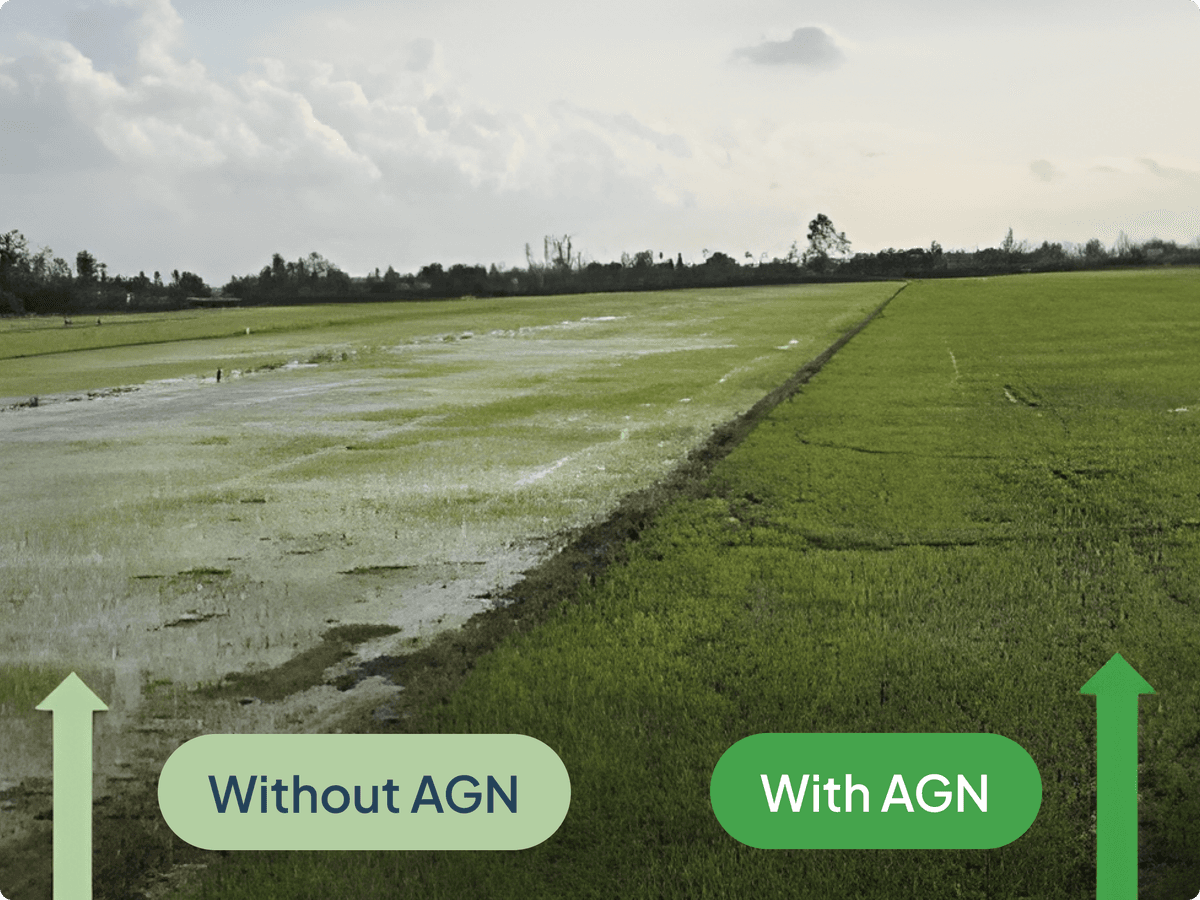
Trial took place in Battambang province on 15 ha in August 2023 during severe 30-day drought followed by heavy monsoon conditions.
Cisbay treated paddy fields vs untreated ones in the Indonesian province of East Java where a paddy seed producer recorded 159% extra yield in Pandaan despite applying 30% less chemical fertilisers while the Krian trial recorded a "lower" additional yield of 35%.

PHILIPPINES
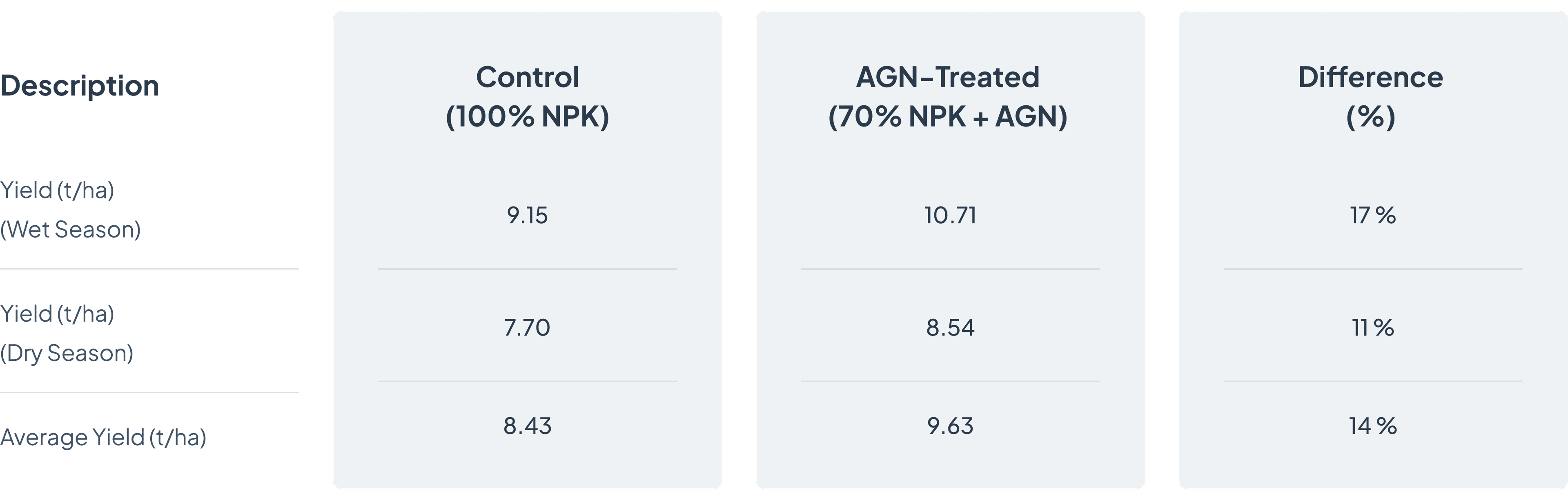
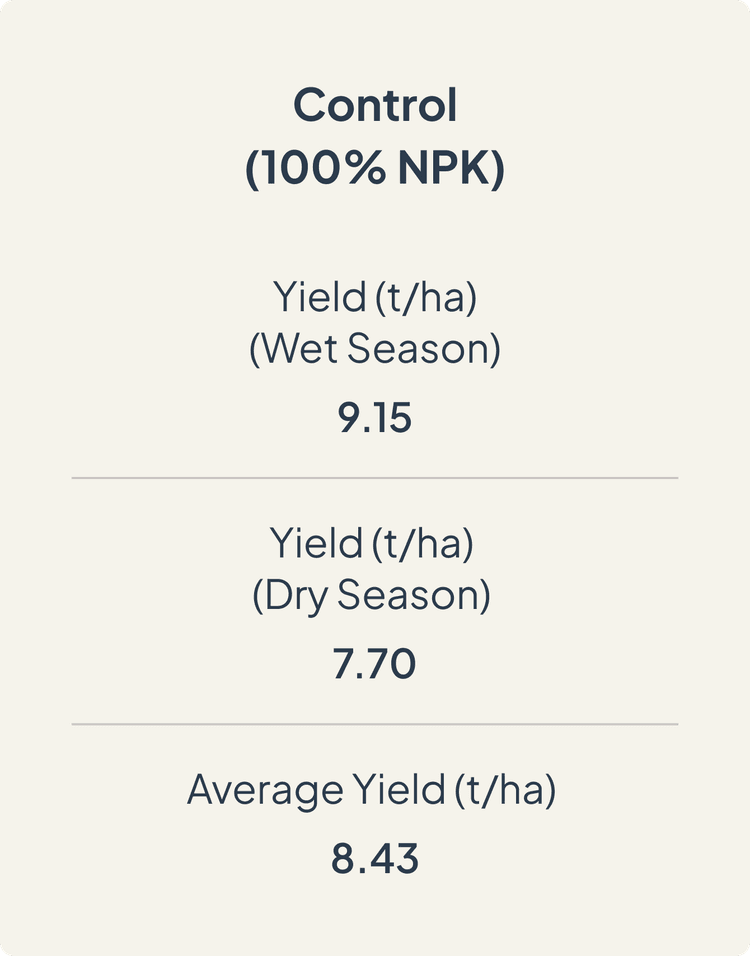
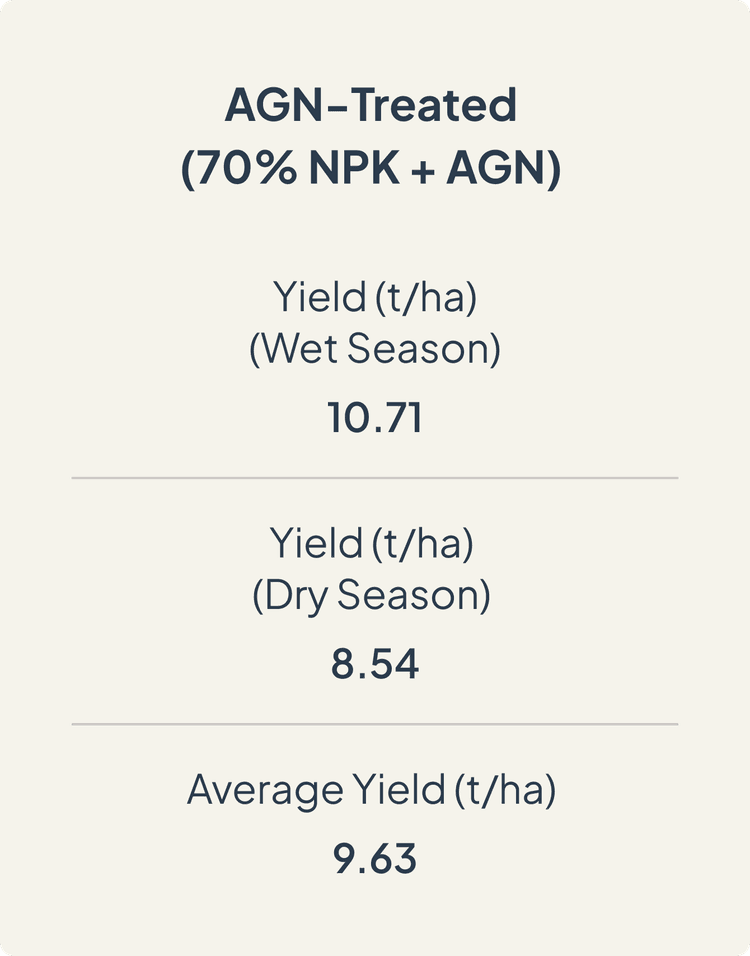
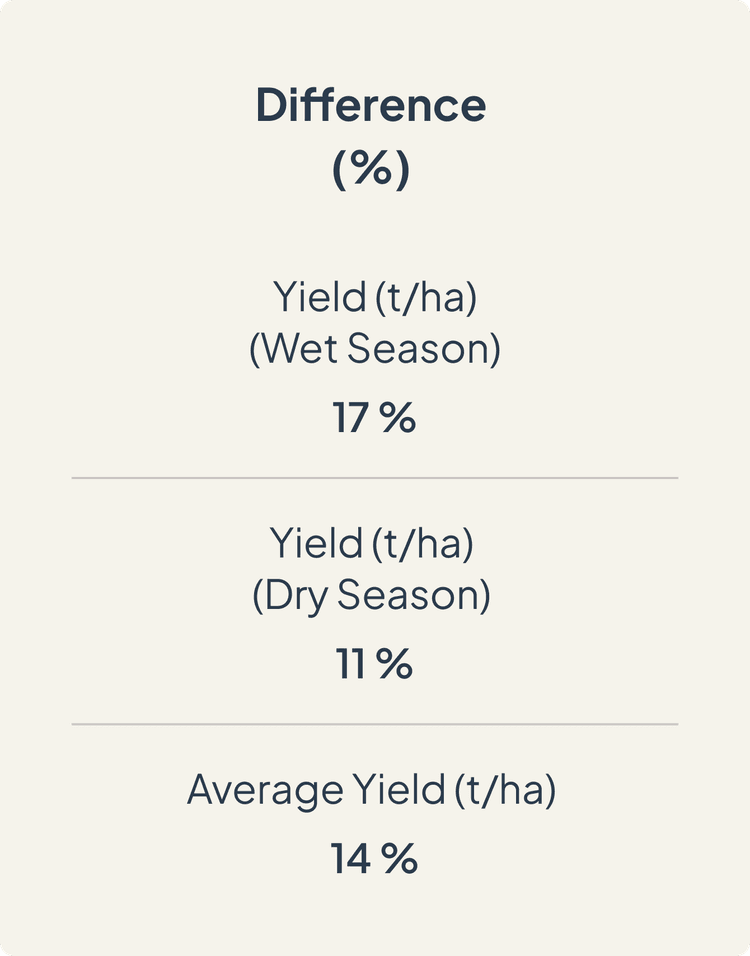
A leading chemical fertiliser company conducted an independent study to determine the efficacy of Cisbay microbial technology when combined with reduced NPK on corn cultivation. The study was conducted over wet and dry seasons in several trial locations throughout the Philippines.
AGN increased yield by 14% with a reduction of 30% in chemical fertilizers usage, resulting in an increased net profit of 27%.